Our story

Side events and bilateral meetings highlighted the role of finance, data, and collaboration in accelerating sustainable cooling solutions.
Cool Up advances sustainable cooling discussions at the OEWG
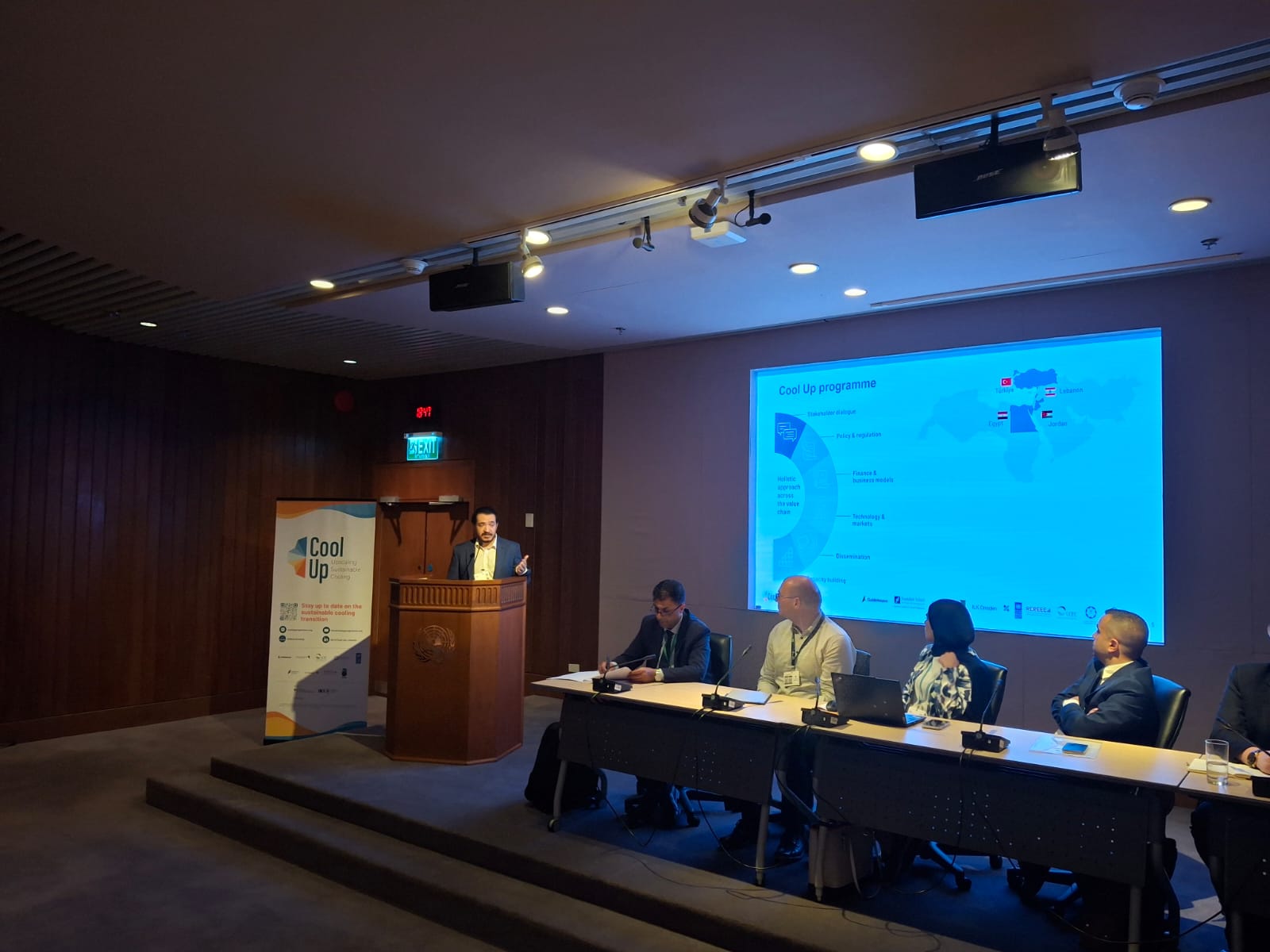
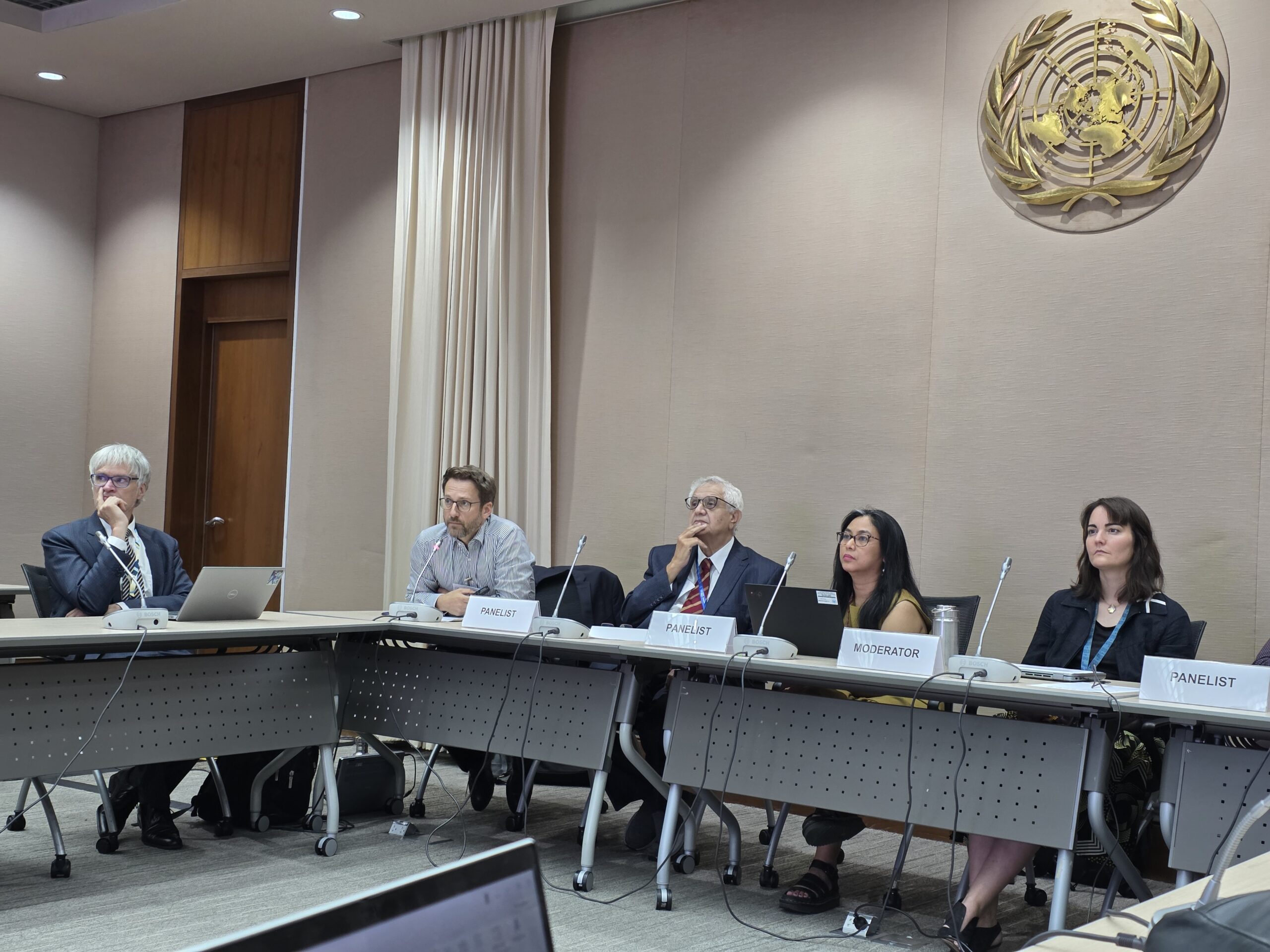
Bangkok, Thailand – During the 48th Meeting of the Open-ended Working Group (OEWG) of the Parties to the Montreal Protocol, held from the 13-17 July, Cool Up contributed to four side events and a series of bilateral meetings focused on sustainable cooling, refrigerant transition, financing and refrigerant lifecycle management. The discussions brought together governments, international organisations, industry representatives, and technical experts to exchange experiences and identify practical pathways towards implementation and market transformation.
Bridging national cooling plans and investment
Side event: Financing Sustainable Cooling: From National Plans to Investment Pipelines
Discussions focused on how countries can translate cooling strategies into investable projects and scalable implementation measures. Participants explored the actions needed to increase the uptake of sustainable cooling equipment and address financing barriers. The exchange highlighted the importance of stronger collaboration between public and private stakeholders to support the deployment of natural refrigerant technologies and sustainable cooling solutions. It also underscored the need to bridge the gap between national planning processes and investment opportunities that can support implementation at scale.
Turning demonstration projects into evidence
Side event: From Demonstration to Evidence: Leveraging Data to Advance Energy Efficiency in Cooling in HAT
Performance data and real-world project experience were at the centre of discussions on advancing energy-efficient cooling solutions in high ambient temperature (HAT) countries. Participants reflected on the effectiveness of demonstration projects and explored how data generated through real-world applications can support technology adoption and informed decision-making. Experiences from Cool up demonstration projects featuring R744 (CO₂) cold rooms and R290 air conditioning applications highlighted the value of performance monitoring, digitalisation and IoT-based systems. Discussions also covered Lebanon’s national monitoring platform for cooling technologies and identified opportunities for further engagement with technical stakeholders.
Advancing sustainable cooling through refrigerant transition
Side event: Kigali at 10: From Refrigerant Transition to Sustainable Cooling Delivery
Marking ten years of the Kigali Amendment, the discussion explored how refrigerant transition can contribute to the wider delivery of sustainable cooling solutions. Case studies highlighted experiences from countries that successfully transitioned away from HFCs by adopting natural refrigerant technologies and other not-in-kind solutions. Participants exchanged views on lessons learned, implementation approaches, and the enabling conditions needed to support long-term market transformation.
Strengthening refrigerant lifecycle management in the MENA region
Side event: Cool Up: Perspectives on ODS and HFC Recovery, Recycling and Reclaim in the MENA Region
Current practices and opportunities related to refrigerant lifecycle management in the MENA region were the focus of this discussion. Case studies from Egypt showcased ongoing activities related to refrigerant recovery, recycling and reclamation. Additional contributions from international organisations explored best practices for supporting a sustainable refrigerant transition and highlighted the role of refrigerant lifecycle management in achieving climate and environmental objectives.
Impact and implications
The discussions demonstrated the increasing importance of connecting policy, finance, technology, and implementation to advance sustainable cooling. They also highlighted the value of performance data, digital monitoring tools, and cross-sector knowledge transfer in supporting evidence-based decision-making and accelerating market transformation.
The OEWG provided an important platform for dialogue and collaboration among stakeholders working to advance sustainable cooling. Through technical exchanges, bilateral engagement and knowledge sharing, Cool Up contributed to ongoing efforts that support climate action, refrigerant transition, and the wider adoption of sustainable cooling solutions.