 Our story

Cool Up Week Jordan - Day 3
Cool Up’s Living Lab at the Aqaba Marine Reserve in Jordan
Aqaba, Jordan — On Day 3 of Cool Up Week Jordan, the programme expanded from policy and technology discussions in Amman to a real-world demonstration in one of the country’s hottest and most environmentally sensitive regions: the Aqaba Marine Reserve. Participants examined R290-based air-conditioning technology designed to deliver high-performance cooling with minimal environmental impact, even under extreme temperatures.
The visit showcased how natural refrigerant technologies can support Jordan’s climate goals while meeting the operational needs of tourism, hospitality, and coastal facilities.
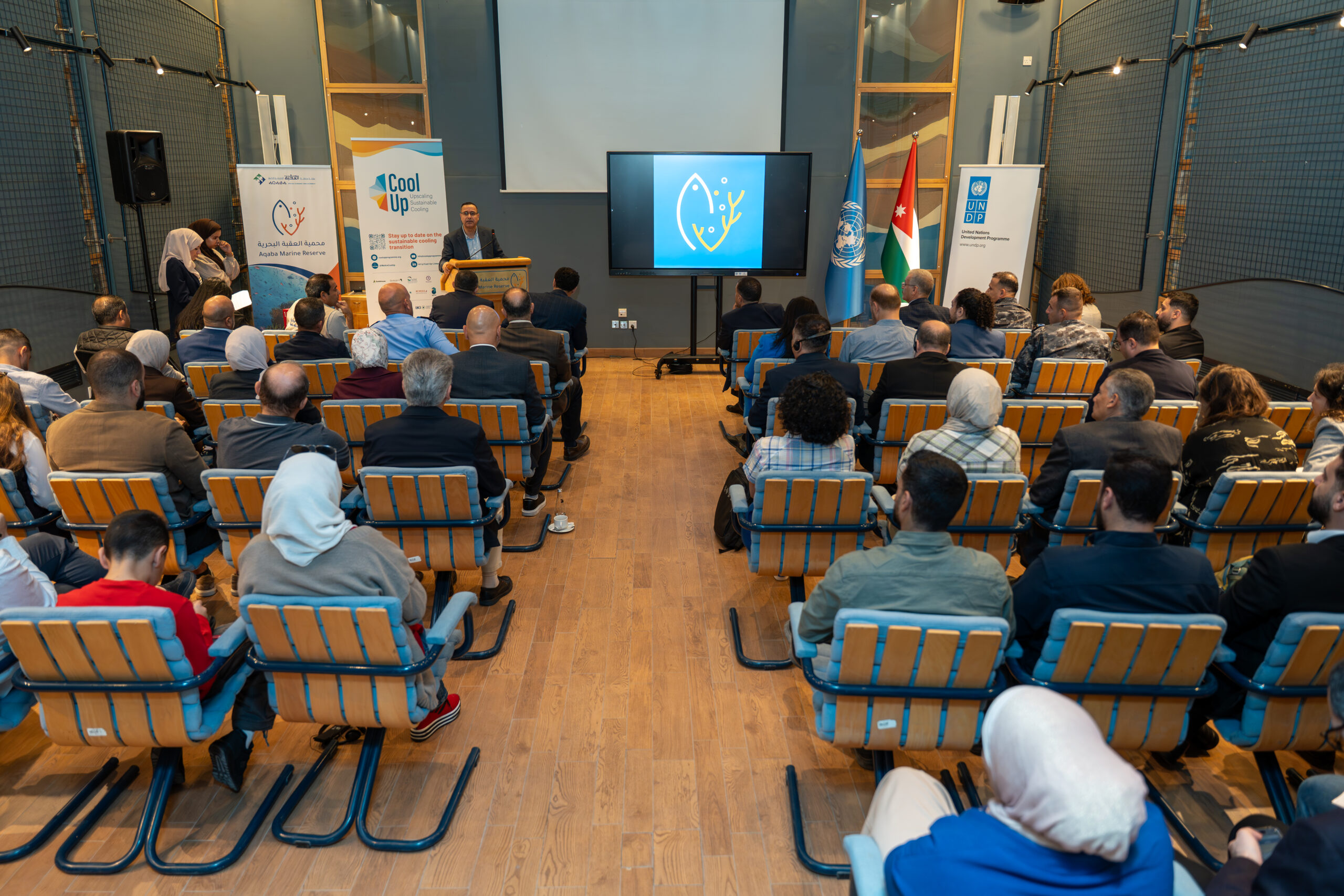
Opening remarks from national and regional partners
High-level representatives underscored the importance of innovation, local manufacturing, and environmental stewardship:
- H.E. Dr. Jihad Alsawair, Advisor to the Minister and Director of the National Ozone Unit, Ministry of Environment
- H.E. Dr. Nedal Al-Ouran, Commissioner of Environment and Nature Reserves, ASEZA
- Mr. Naser Zawaydeh, Director, Aqaba Marine Reserve
- Eng. Rafat Assi, Vice President, Royal Scientific Society (RSS)
- Ms. Rana Saleh, Officer in Charge / Team Leader, Environment, Climate Change & DDR – UNDP Jordan
Speakers highlighted the significance of deploying sustainable cooling solutions in climate-stressed regions and the vital role of demonstration projects in driving wider adoption.
Watch this short video capturing key insights, voices and moments from Day 3 of Cool Up Week Jordan
Knowledge Sharing: Innovation in Practice
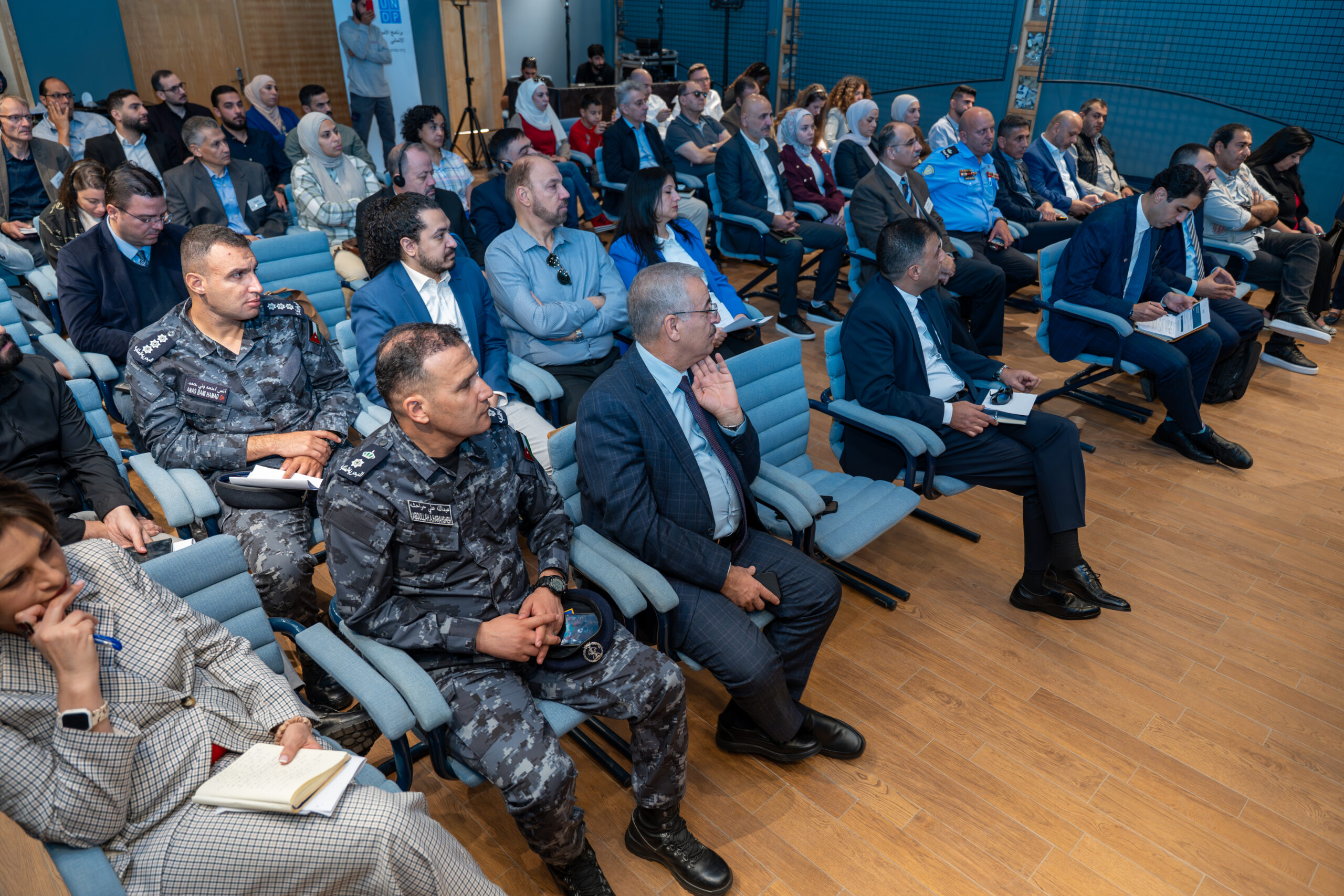
The day’s technical sessions focused on the design, performance, and safety considerations of the R290 air-handling unit installed at the reserve.
Speakers:
- Mr. Ahmad Arabiat, Petra Engineering Industries Co.
- Mr. Isroiljon Khasanov, UNDP / Cool Up
Participants learned how the system operates efficiently in high-temperature conditions and how its natural refrigerant properties reduce environmental impact while maintaining visitor comfort.
Throughout the sessions and on-site visit, several themes emerged:
- Natural refrigerants can operate safely and efficiently in demanding climates
- Sensitive environments can adopt high-performance cooling without compromise
- Demonstration projects de-risk investment and build market confidence
- Collaboration across government, industry, and international partners drives scale-up
Participants also explored system performance data, safety considerations, and operational requirements during guided tours and Q&A discussions with technical experts.
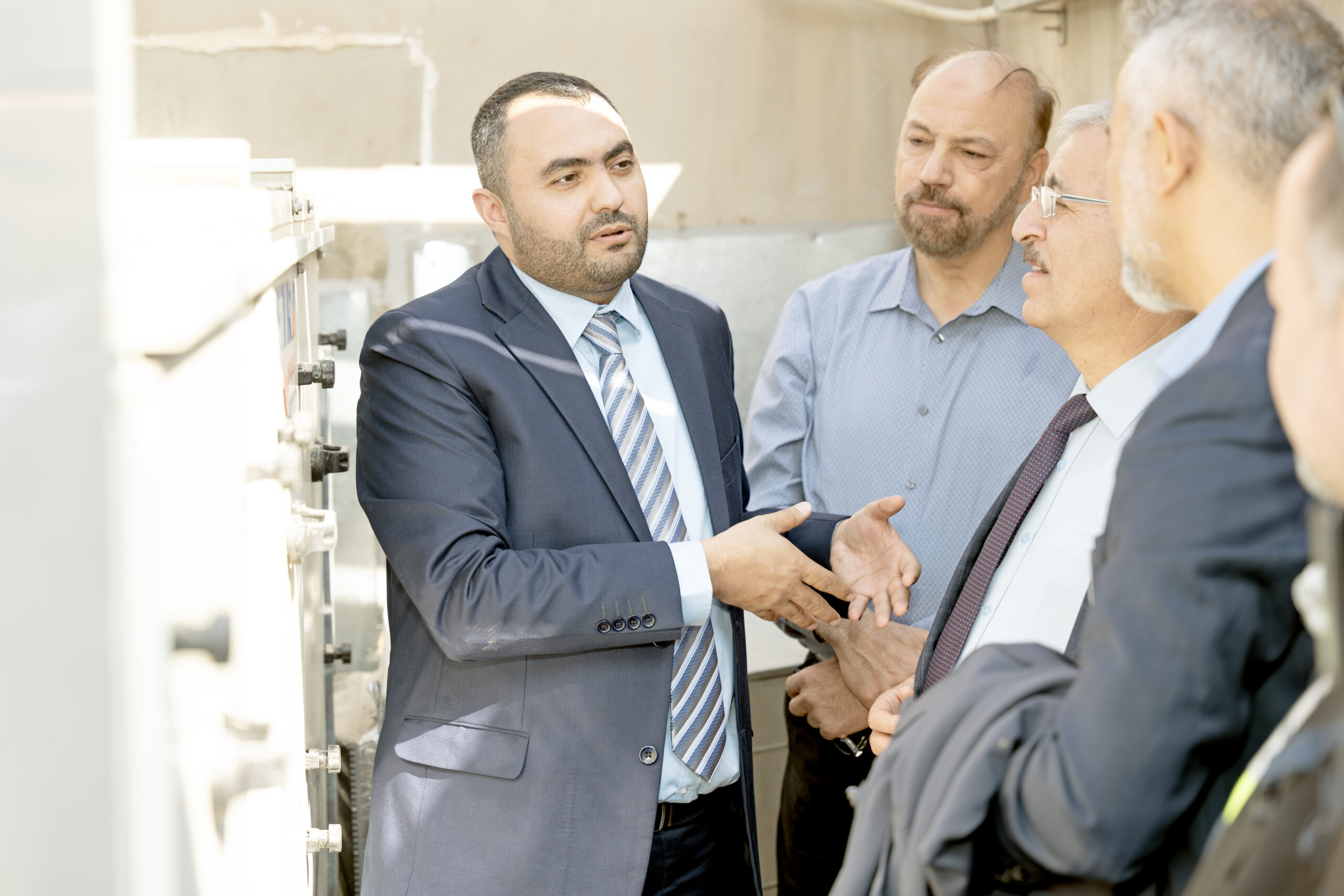
What makes the demonstration significant
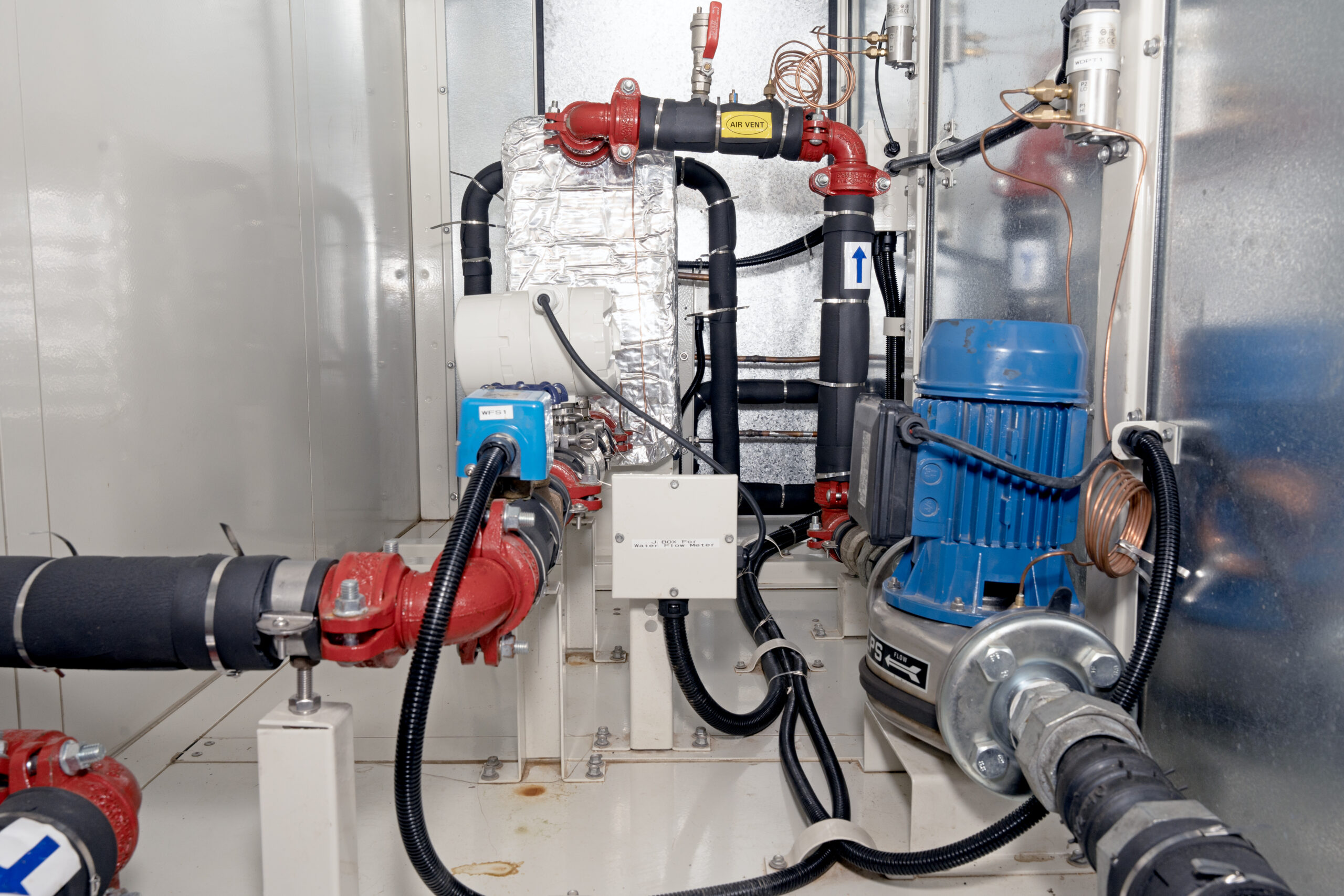
The R290 air-handling unit demonstrates the viability of natural-refrigerant cooling in both extreme heat and environmentally sensitive settings:
- Proven performance in real operating conditions
- High efficiency with ultra-low climate impact
- Engineering resilience up to 46.1°C
- Designed and manufactured locally in Jordan
- Strong potential for tourism, hospitality, and coastal facilities
With a 30 kW cooling capacity, the installation provides centralised cooling at the Aqaba Marine Reserve while supporting the protection of its fragile marine ecosystem.
Cool Up’s Living Lab at the Aqaba Marine Reserve in Jordan
Why this matters for Jordan’s cooling transition
Cooling demand in Jordan is projected to rise significantly in the coming decades. Scaling climate-friendly technologies like R290 systems will be essential to keeping emissions in check. If widely deployed, such solutions could help Jordan avoid up to 72% of projected air-conditioning emissions by 2050.
The Aqaba Marine Reserve installation functions as a living laboratory, generating performance data, informing policy development, and supporting technician training—laying the groundwork for broader national adoption.
A pathway toward sustainable cooling for a warming future
Day 3 underscored that local innovation, partnership, and skills development are central to Jordan’s sustainable cooling transition. By demonstrating what clean cooling can achieve under real and challenging conditions, the Cool Up programme continues to pave the way for climate-friendly, resilient, and scalable cooling solutions across the region.