 Our story

Cool Up Week Jordan - Day 2
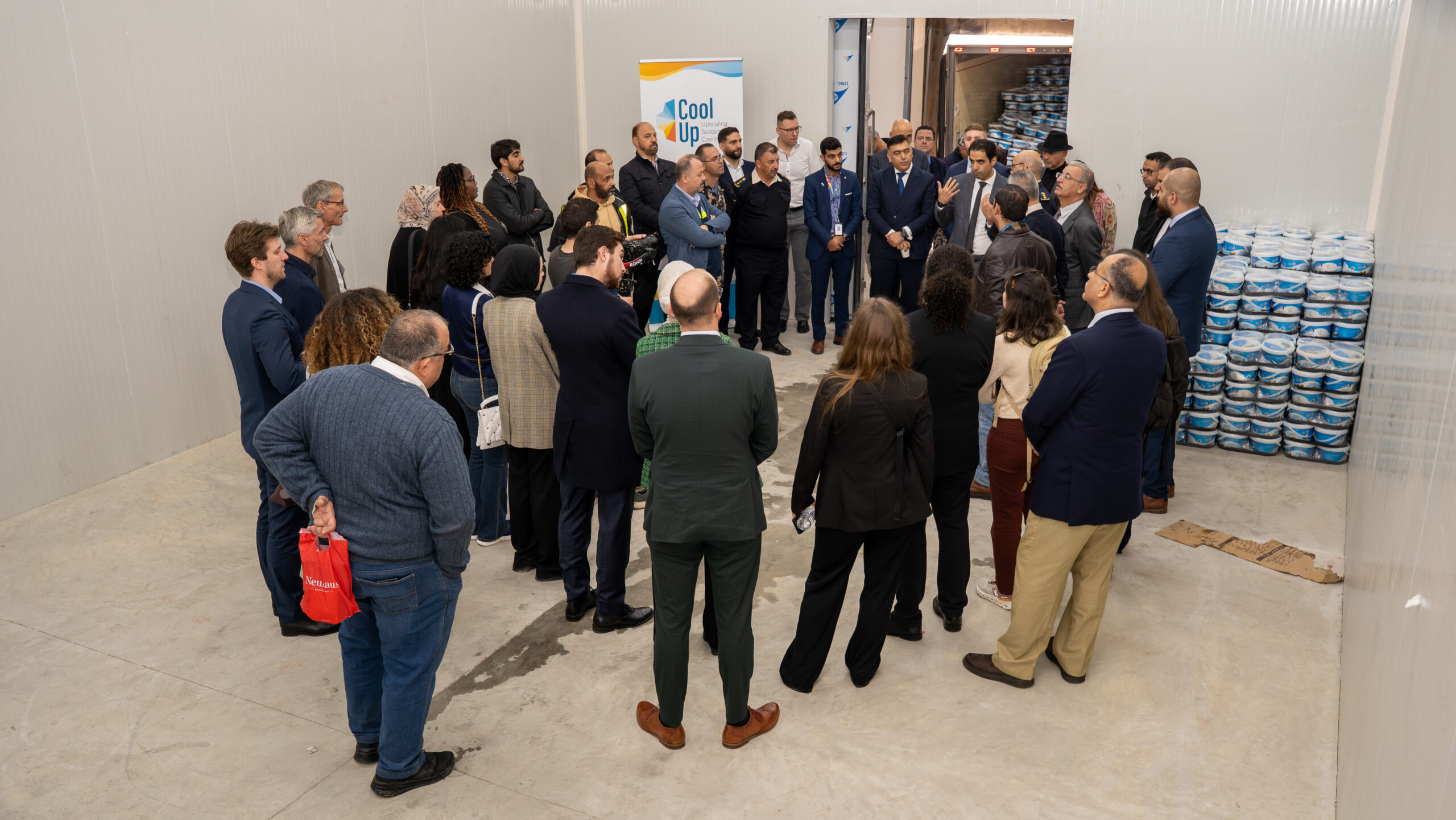
Cool Up’s Living Lab at the Jordan Customs Department
Amman, Jordan — Building on the momentum of the launch of Jordan’s first National Cooling Action Plan, Day 2 of Cool Up Week shifted from strategy to hands-on implementation. Participants visited the Jordan Customs Department to explore Cool Up’s Living Lab demonstration project, showcasing CO₂ (R744)-based refrigeration technology as a scalable, climate-friendly solution for cold-chain applications.
This milestone installation—designed and built by Jordanian manufacturer Abdin Industrial—operates under real conditions, supporting food inspection and safety while substantially reducing environmental impact. It represents the first system of its kind in Jordan, demonstrating that natural refrigerants can deliver high performance even in demanding environments.
Demonstrating climate-friendly cooling in practice
High-level representatives highlighted the importance of innovation, collaboration, and local capacity in accelerating sustainable cooling:
- H.E. Major General Ahmad Al-Akaleek, Director General, Jordan Customs Department
- H.E. Dr. Aiman Soleiman, Minister of Environment
- Ms. Randa Aboul-Hosn, UNDP Resident Representative – UNDP Jordan
- Eng. Rafat Assi, Vice President, Royal Scientific Society (RSS)
Speakers underscored the role of demonstration projects in translating national strategies into tangible, scalable solutions that can strengthen public services and contribute to Jordan’s climate objectives.
Watch this short video capturing key insights, voices and moments from Day 2 of Cool Up Week Jordan
Knowledge Sharing Sessions Showcase Technology and Pathways to Scale
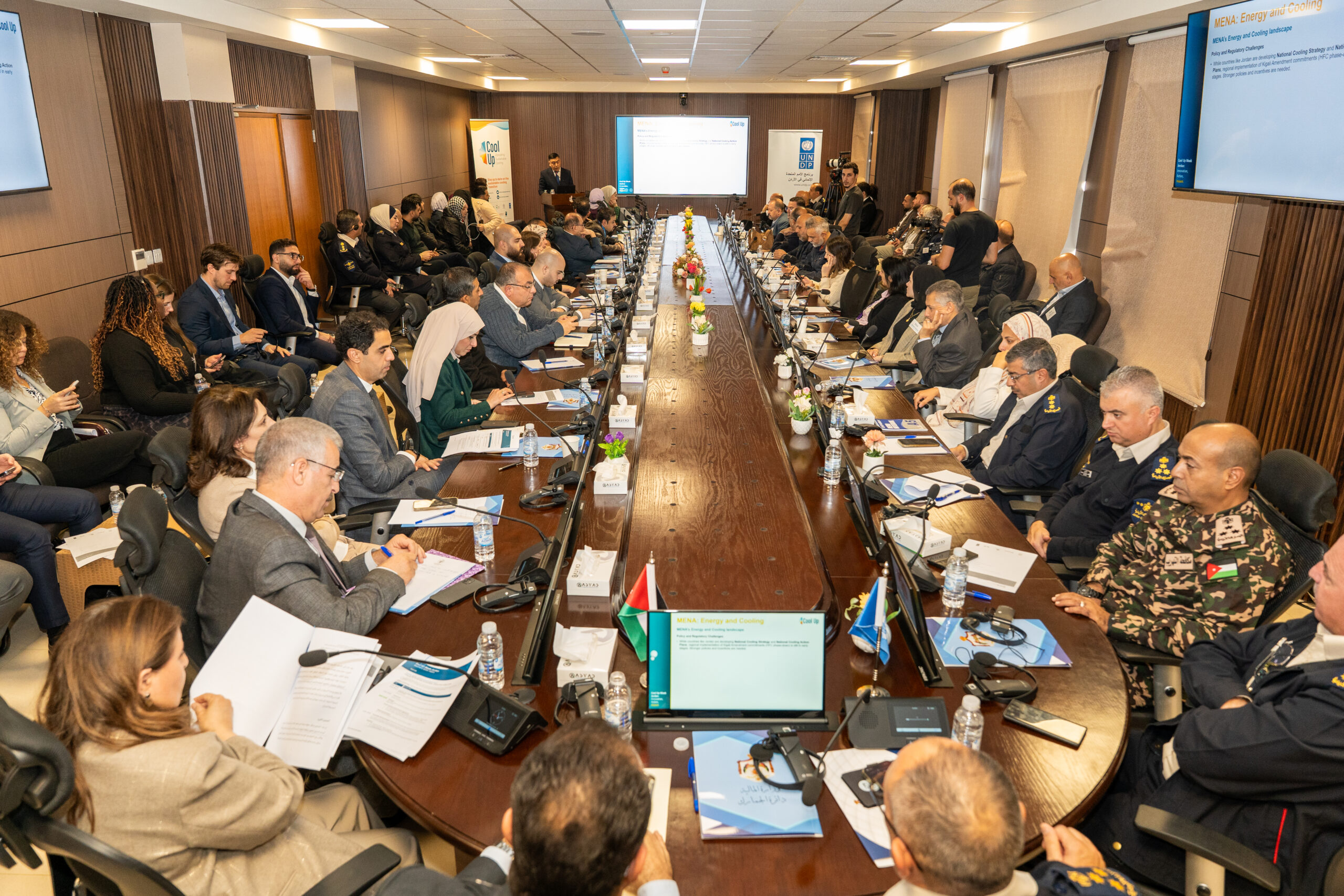
Session 1: Showcasing Innovation with Cool Up’s Demonstration Project
Experts provided insights into the design, operation, and real-world performance of the CO₂ refrigeration system.
Speakers included:
- Eng. Mohammad Abdin, Abdin Industrial
- Mr. Isroiljon Khasanov, UNDP / Cool Up
Session 2: Scaling Up Natural Refrigerant-Based Cooling
Moderated by Mustafa Abunofal (Guidehouse / Cool Up), this session explored how natural refrigerant technologies can be replicated across sectors.
Speakers included:
- Eng. Mohammad Abdin, Abdin Industrial
- Dr. Ralph Krause, ILK Dresden / Cool Up
- Ayham Al Rabee, Royal Scientific Society (RSS) / Cool Up
- Antoine Azar, UNDP / Cool Up
Across sessions and discussions, several consistent themes emerged:
- Demonstration projects accelerate adoption of natural refrigerants
- Real-world performance data builds market and institutional confidence
- Technician training and capacity-building are critical for scaling
- Cross-sector collaboration amplifies long-term impact
- Local manufacturing capabilities, such as those of Abdin Industrial, are vital for sustainable market transformation
Why the Demonstration Matters
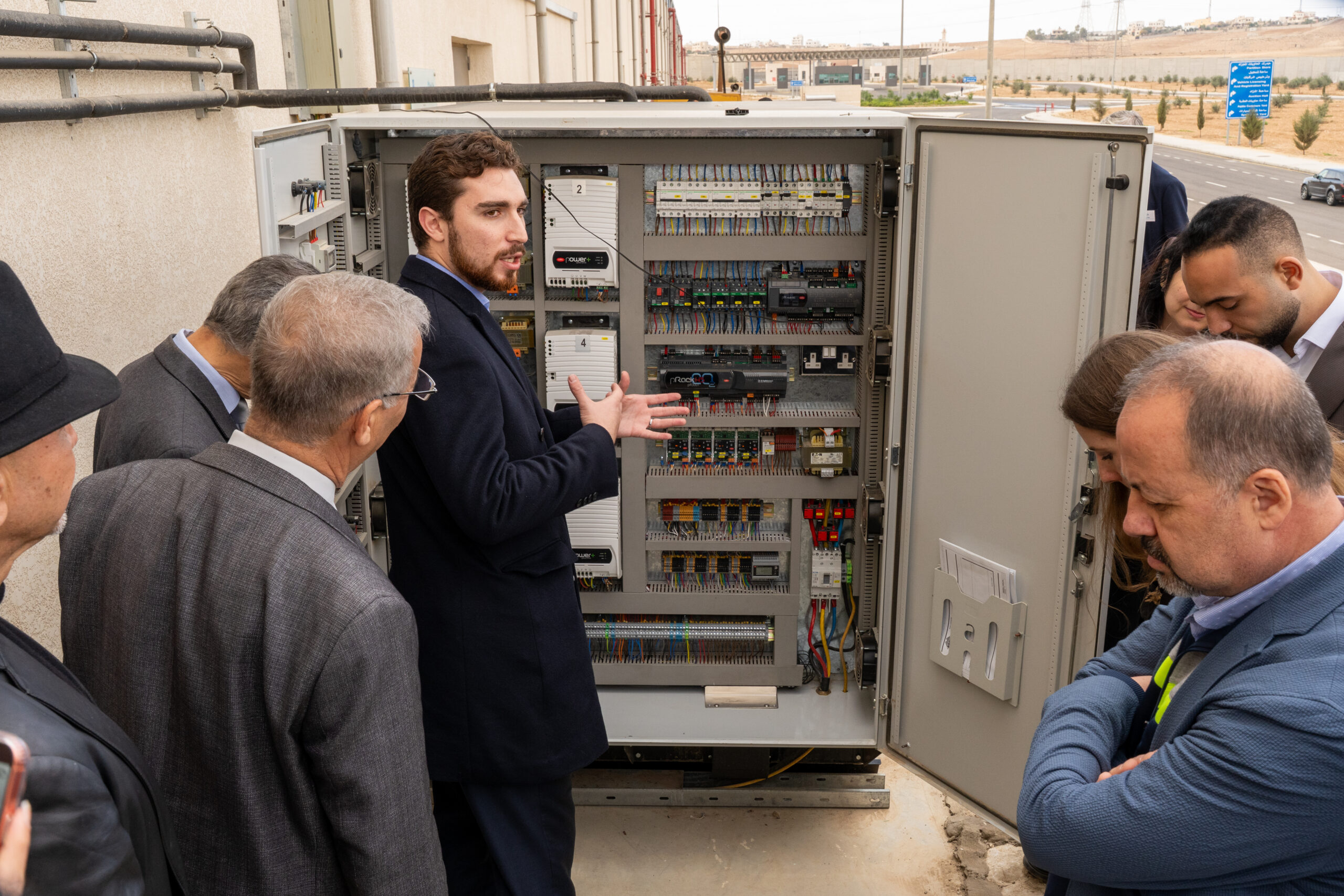
The CO₂ (R744) system showcased today highlights several critical advantages:
- Natural refrigerants performing under real operating conditions
- High efficiency with drastically reduced environmental impact
- Enhanced cold-chain infrastructure for food safety and public services
- A scalable model for institutions, municipalities, and industry
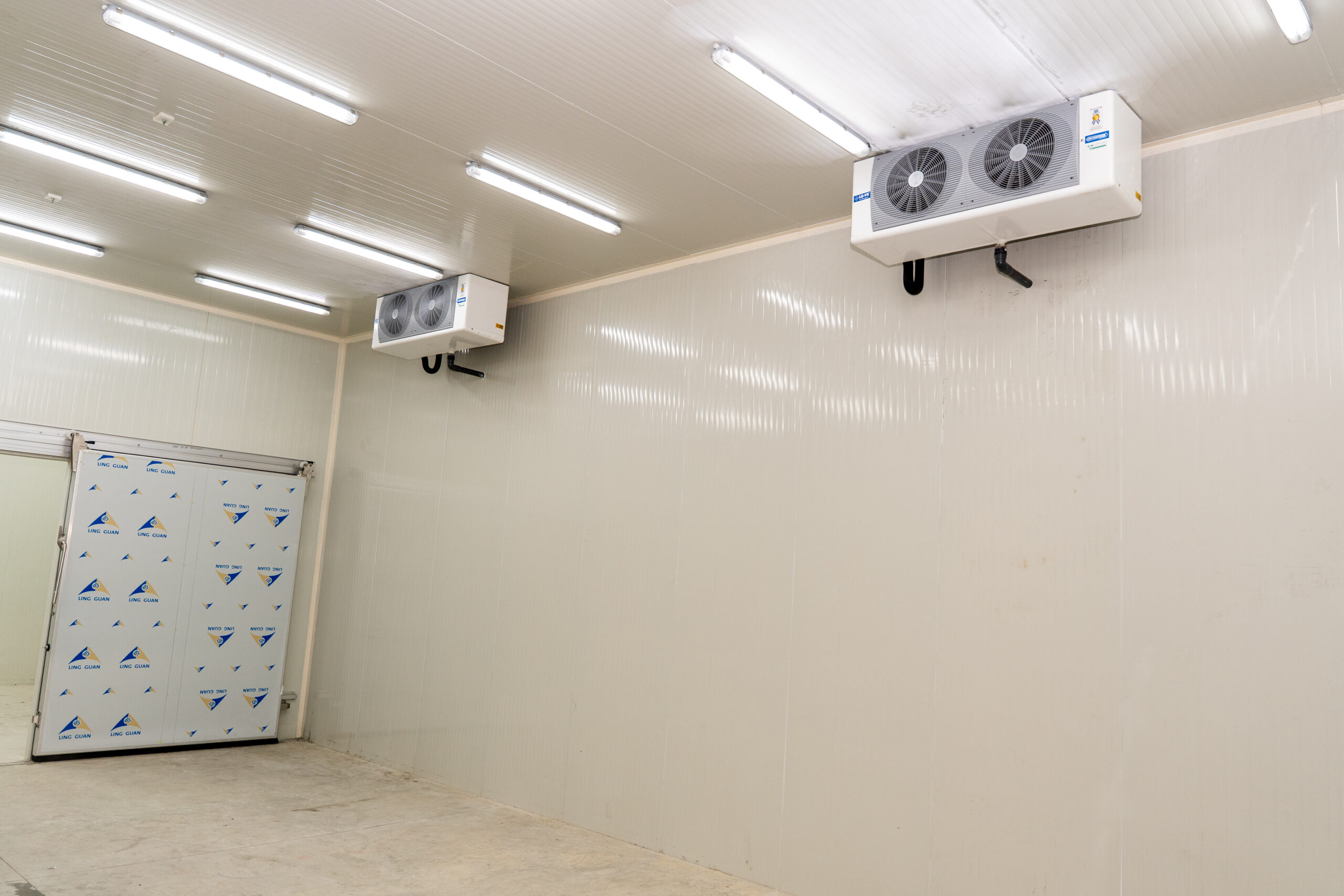
With a 40 kW total cooling capacity, the installation supports essential customs operations while reducing energy consumption and emissions—helping future-proof national services and align with long-term climate targets.
Cool Up’s Living Lab at the Jordan Customs Department
Driving Market Transformation Across the MENA Region
Demonstration projects supported by Cool Up across partner countries play a pivotal role in advancing climate-friendly cooling by:
- De-risking investment through validated performance
- Informing future policies, standards, and regulatory frameworks
- Building industry awareness and consumer trust
- Strengthening national skillsets and technical expertise
- Enabling replication in supermarkets, warehouses, logistics, and more
By connecting innovation (push) with market demand (pull), demonstration projects help move sustainable cooling from niche applications toward widespread adoption.
A cooling future takes shape: Jordan advances scalable, climate-smart solutions
Day 2 demonstrated that sustainable cooling technologies are not only viable—they are ready for scale. Through strong partnerships, local innovation, and evidence-based implementation, Jordan is paving the way for a climate-friendly cooling transition that supports national development and regional leadership.